Face lift
A facelift, or facial rhytidectomy, is one of the most transformative facial rejuvenation procedures available. Our surgeons combine decades of collective expertise with advanced surgical techniques to restore facial volume, tighten skin and muscle, and create naturally beautiful results that reflect how you feel inside.
Whether you’re experiencing sagging skin, deep wrinkles, jowls, or loss of definition along the jawline and neck, a facelift can address these signs of aging comprehensively. Our approach prioritizes natural-looking outcomes, avoiding the “overdone” appearance that can result from less refined techniques.
What Is a Facelift?
A facelift, medically known as a facial rhytidectomy, is a surgical procedure designed to improve visible signs of aging in the face and neck. The procedure works by removing excess skin, tightening underlying muscles and tissues, and repositioning facial structures to create a more youthful, refreshed appearance.1
As we age, our skin loses elasticity due to decreased collagen and elastin production. Gravity, sun exposure, and repetitive facial movements cause the skin to sag and wrinkles to deepen. A facelift addresses these changes by lifting and tightening the skin and underlying facial structures, effectively turning back the clock on facial aging.
How a Facelift Works
During a facelift, your surgeon makes carefully placed incisions, typically hidden in the hairline and around the ears. Through these incisions, the surgeon lifts the skin to access the deeper layers of facial tissue, including the SMAS (Superficial Musculoaponeurotic System), a network of muscles and connective tissue beneath the skin.
The surgeon then tightens these deeper structures, removes excess skin, and repositions facial tissues to restore volume and definition. The result is a more lifted, sculpted appearance that looks natural when performed by an experienced surgeon.2
 *model
What a Facelift Can Address
A facelift can effectively treat:
- Sagging skin on the cheeks and jawline
- Deep wrinkles and folds, particularly around the mouth and nose
- Loss of facial definition and contour
- Jowls (sagging skin along the lower jawline)
- Loose or sagging neck skin
- Marionette lines (lines running from the corners of the mouth downward)
- Overall facial laxity and loss of youthful volume
What a Facelift Cannot Do
It’s important to understand that a facelift does not:
- Stop the aging process (results typically last 7-10+ years, depending on the technique)
- Treat fine surface wrinkles (these are better addressed with laser resurfacing, chemical peels, or injectables)
- Change your fundamental facial structure or ethnicity
- Improve skin texture or sun damage alone (though some techniques include skin resurfacing)
- Eliminate all wrinkles (the goal is natural-looking rejuvenation, not a completely wrinkle-free appearance)
Why Choose a Facelift Over Non-Surgical Options
While non-surgical treatments like BOTOX®, fillers, and laser therapy can provide excellent results for mild to moderate aging, they have limitations. These treatments address surface-level concerns and require ongoing maintenance every few months.
A facelift, by contrast, provides dramatic, long-lasting results by addressing the underlying structural changes that occur with aging.
If you have significant skin laxity, deep wrinkles, or loss of facial definition, a facelift offers results that non-surgical treatments cannot achieve.
At NYPS Group, we help you determine whether a facelift is the right choice for your goals during your private consultation.
Why Choose New York Plastic Surgical Group for Your Facelift
NYPS Group is the largest private academic plastic surgery practice in the United States, with a 75+ year history of surgical excellence and innovation. Founded in 1948, we have established ourselves as leaders in facial plastic surgery through:
Academic Excellence and Teaching Leadership
We have operated an ACGME-accredited residency program since 1954, training the next generation of plastic surgeons in advanced facelift techniques. Our surgeons serve as faculty and mentors, ensuring that the highest standards of surgical training and patient care are maintained across all our locations.
National Recognition
Multiple NYPS Group surgeons have been named to Newsweek’s “America’s Best Plastic Surgeons” for facelift expertise, reflecting our commitment to delivering exceptional results and maintaining the trust of our patients and peers.
Peer-Reviewed Research and Innovation
Our surgeons regularly publish in top-tier medical journals, including the Journal of Plastic and Reconstructive Surgery and Aesthetic Surgery Journal. Recent publications include research on deep plane facelift outcomes, complication minimization, and long-term patient satisfaction, ensuring our techniques are evidence-based and continuously refined.
Hospital Affiliations and Surgical Facilities
All NYPS Group surgical centers are accredited by the American Association for Accreditation of Ambulatory Surgery Facilities (AAAASF), ensuring the highest standards of patient safety, infection control, and surgical excellence.
Facelift Techniques We Offer
Deep Plane Facelift
The deep plane facelift is considered the gold standard for comprehensive facial rejuvenation. This advanced technique involves lifting and repositioning the deeper layers of facial tissue, including the SMAS (Superficial Musculoaponeurotic System) and the platysma muscle in the neck.
Why Deep Plane Works
The deep plane approach addresses the root cause of facial aging, not just the skin. By lifting the deeper muscle and fat layers, we restore volume to areas that have descended with age, such as the cheeks and jawline. This creates a more natural, refreshed appearance with results that last 10+ years.
The Deep Plane Advantage
- Restores cheek volume and definition
- Eliminates jowls and redefines the jawline
- Tightens and lifts the neck
- Provides longer-lasting results compared to skin-only techniques
- Avoids the “pulled” or “windblown” appearance
Our surgeons have trained under pioneers in deep plane facelift methodology and continue to refine this technique through ongoing research and clinical practice.
SMAS Facelift
The SMAS (Superficial Musculoaponeurotic System) facelift is a time-tested technique that lifts the skin and the underlying muscle layer. This approach is highly effective for patients with moderate to significant skin laxity and provides excellent results with a lower risk profile than more aggressive techniques.
SMAS Facelift Benefits
- Addresses skin sagging and wrinkles
- Tightens the underlying muscle support
- Provides natural-looking results
- Suitable for a wide range of ages and skin types
- Recovery is typically 2-3 weeks
Mini Facelift (MACS Lift)
For patients with mild to moderate aging signs or those seeking a less invasive option, the mini facelift (MACS, or Minimal Access Cranial Suspension lift) offers excellent results with shorter incisions and faster recovery.
Mini Facelift Ideal For
- Mild to moderate jowling
- Early signs of skin laxity
- Patients seeking minimal downtime
- Those preferring a less invasive approach
- Recovery typically 1-2 weeks
 *model
The Facelift Consultation Process
Your journey begins with a comprehensive consultation where we listen to your concerns and assess your facial anatomy, skin quality, and aesthetic goals.
What to Expect
- Detailed discussion of your aging concerns and desired outcomes
- Facial analysis to determine which facelift technique is best suited to your anatomy
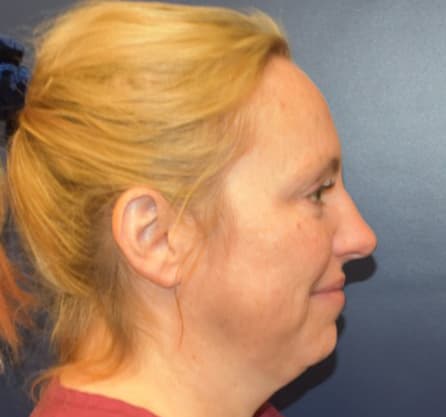
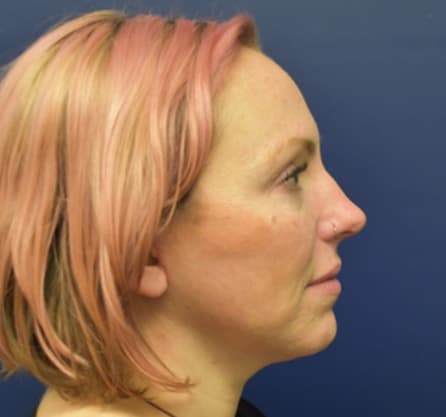
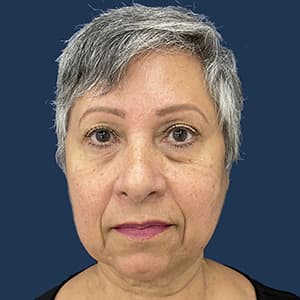
- Review of before-and-after photos from similar cases
- Explanation of the surgical plan, recovery timeline, and realistic expectations
- Discussion of anesthesia options and surgical facility details
- Opportunity to ask questions and address any concerns
We believe that informed patients make the best decisions. Our surgeons take time to educate you about the procedure, potential risks, and what you can realistically expect in terms of results and recovery.
What Happens on Surgery Day
Facelift surgery is typically performed under general anesthesia or deep sedation in an accredited surgical facility. The procedure generally takes 3-4 hours, depending on the technique and whether additional procedures are being performed.
Surgical Steps (Deep Plane Example)
- Incisions are made in the hairline and around the ear, hidden in natural creases
- The skin is carefully lifted to access the deeper muscle and fat layers
- The SMAS and platysma are lifted and repositioned to restore volume and definition
- Excess skin is trimmed, and incisions are closed with fine sutures
- Dressings are applied to support the healing process
Our surgeons use meticulous surgical technique to minimize trauma, reduce bleeding, and ensure optimal healing. Most patients do not require surgical drains, which simplifies the recovery process.
Timeline
Days 1-3: Rest at home with head elevation. Mild to moderate swelling and bruising are normal. Pain is typically minimal and managed with prescribed medication.
Days 4-7: Sutures are removed. Swelling begins to decrease. Most patients feel comfortable returning to light activities.
Weeks 2-3: Return to work and normal activities. Residual swelling continues to improve. Makeup can be applied to cover any remaining bruising.
Weeks 4-6: Most swelling has resolved. Results become increasingly apparent as the face settles into its new contours.
Months 3-6: Final results emerge as all swelling resolves and scars mature. Results continue to improve subtly over this period.
Long-term: Deep plane facelift results typically last 10+ years. SMAS and mini facelifts may last 7-10 years, depending on individual aging and skin quality.
Post-Operative Care
- Keep your head elevated to minimize swelling
- Avoid strenuous activity for 3-4 weeks
- Protect incisions from sun exposure
- Follow all post-operative instructions provided by your surgical team
- Attend all follow-up appointments to ensure optimal healing
Managing Expectations
While facelift results are dramatic and long-lasting, they do not stop the aging process. However, most patients report looking 10-15 years younger immediately after surgery, with results continuing to improve over several months.
MORE WAYS TO REJUVENATE YOUR LOOK
Enhance and maintain your facelift results with treatments that smooth, tighten, and refresh the skin.

Neck Lift
Restore youthful definition by addressing skin laxity and banding along the neck and jawline.

Eyelid Surgery
Brighten and open the eyes by reducing excess skin and puffiness for a rested appearance.

Fat Transfer
Restore youthful volume and natural softness to facial contours with your body’s own fat.

Facelift Safety and Complication Management
Facelift surgery is safe when performed by experienced plastic surgeons in accredited surgical facilities. At NYPS Group, we prioritize patient safety through:
Facility Accreditation
Our surgical centers are accredited by the American Association for Accreditation of Ambulatory Surgery Facilities (AAAASF), ensuring compliance with the highest standards of patient safety, infection control, and surgical protocols.
Risk Discussion
While facelift surgery is generally safe, all surgery carries some risk. Potential complications include:
- Temporary numbness or tingling (resolves within weeks to months)
- Temporary facial asymmetry (resolves as swelling decreases)
- Bruising and swelling (normal and expected)
- Infection (rare, prevented through sterile technique and antibiotics)
- Nerve injury (rare, usually temporary)
- Hematoma or seroma (fluid collection, treatable)
- Scarring (minimal, hidden in natural creases)3
Your surgeon will discuss these risks in detail during your consultation and explain how our surgical techniques and post-operative protocols minimize these risks.

Schedule Your Facelift Consultation Now!
If you are interested in finding out more about facelift surgery, or have questions about the procedure, or want to learn about our payment and financing, please book your consultation today!
Facelift FAQs
How long do facelift results last?
Deep plane facelift results typically last 10+ years. SMAS facelifts last 7-10 years, and mini facelifts last 5-7 years. Results vary based on individual aging, genetics, sun exposure, and lifestyle factors.
Will my facelift look natural?
Yes. Modern facelift techniques, especially the deep plane approach, create natural-looking results that restore facial volume and definition without the “pulled” or “overdone” appearance. Our surgeons prioritize natural aesthetics in every procedure.
What is the best age for a facelift?
Most patients are in their 50s-70s when they have a facelift, but the best age is when you feel ready and have noticeable signs of aging. Some patients benefit from a facelift in their 40s, while others wait until their 80s. Your surgeon will assess your individual needs during consultation.
Can I have a facelift if I have thin skin?
Yes, but your surgeon may recommend a different technique or approach. Thin skin requires careful handling to avoid visible scarring or irregularities. Discuss your skin type during your consultation.
How much time off work will I need?
Most patients return to work within 2-3 weeks, depending on the extent of surgery and their job demands. If your job involves physical activity or public-facing interaction, you may want to take 3-4 weeks off to allow swelling to decrease.
Will I have visible scars?
Facelift incisions are placed in the hairline and around the ear, hidden in natural creases. Scars fade significantly over 12 months and are typically not visible, especially when hair covers the incisions.
What should I do to prepare for my facelift?
Stop smoking at least 2 weeks before surgery (ideally 4 weeks). Avoid blood-thinning medications and supplements. Arrange for someone to drive you home and help you for the first few days. Follow all pre-operative instructions provided by your surgical team.
When can I resume exercise?
Light walking is encouraged after 1 week. Avoid strenuous exercise, heavy lifting, and activities that elevate your heart rate for 3-4 weeks to prevent bleeding and swelling.
How do I maintain my facelift results?
Protect your skin from sun exposure with SPF 30+. Maintain a healthy lifestyle with good nutrition and hydration. Consider non-invasive treatments like BOTOX, fillers, or laser resurfacing to maintain results between facelifts.
Contact Us
Ready to explore whether a facelift is right for you? Schedule your private consultation with NYPS Group today. Our surgeons will assess your goals, explain your options, and create a personalized surgical plan.
1 American Society of Plastic Surgeons. What is a facelift? Available at: https://www.plasticsurgery.org/cosmetic-procedures/facelift. Accessed February 26, 2026.
2 Mayo Clinic. Facelift. Available: https://www.mayoclinic.org/tests-procedures/face-lift/about/pac-20394059. Accessed February 26, 2026.
3 American Society of Plastic Surgeons. What are the risks of facelift surgery? Available: https://www.plasticsurgery.org/cosmetic-procedures/facelift/safety. Accessed February 26, 2026.
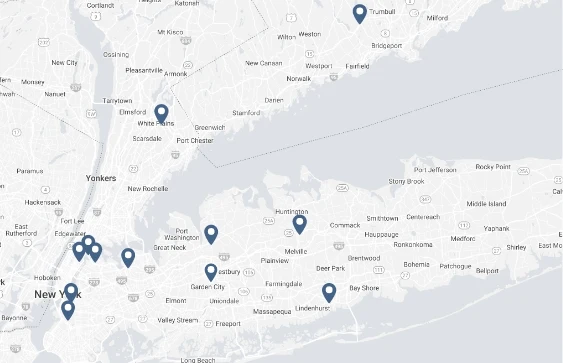
- Manhattan
- Long Island
- Brooklyn
- Queens
- Westchester
- Connecticut
- New Jersey